
What Is Elliptical Trainer
📖 Table of Contents
- What Exactly Is an Elliptical Trainer?
- How the Elliptical Works: A Closer Look
- Why the Elliptical Is Great for Joint Health
- The Elliptical vs. Other Cardio Machines: What’s the Difference?
- Elliptical Workouts: How to Get the Most Out of Your Machine
- Elliptical Machines: What to Look for When Buying One
- Elliptical Training: The Benefits You Can’t Ignore
- Make It Your Way
- Frequently Asked Questions
The first time I stepped onto an elliptical trainer, I was skeptical. I had never used one before and had only heard vague claims about its benefits. But as I pushed through my first 10 minutes, I noticed something: my joints didn’t ache the way they did on the treadmill. That moment, right there, changed my mind about cardio. The elliptical trainer, I realized, was a machine that could help me move without pain. And I was just getting started.
Over the next few weeks, I experimented with the elliptical, trying different speeds, resistance levels, and even intervals. What surprised me most wasn’t the burn in my legs or the sweat on my forehead—it was how my body responded. I felt stronger, more in control, and surprisingly, less tired after each session. The elliptical, I learned, wasn’t just a tool for cardio; it was a gateway to better movement and health, especially for those with joint issues or limited space.[1]
So, what is an elliptical trainer, really? It’s a piece of equipment that has transformed my workout routine and, I believe, could do the same for others. Whether you're new to fitness or an experienced athlete, the elliptical offers a low-impact, full-body workout that doesn’t require a gym. That’s why I want to walk you through exactly what it is, how it works, and why it might just be the best addition to your home gym or fitness journey.
Why You'll Love This Elliptical Trainer
- Moves your whole body with minimal stress on your joints
- Boosts cardiovascular health without the jarring impact of running
- Burns calories efficiently, even at lower intensities
- Easy to use and requires no special skills to get started
What Exactly Is an Elliptical Trainer?
As of September 2026, an elliptical trainer is a low-impact, full-body exercise machine that simulates the motion of running or walking, but with a smooth, gliding motion. It’s designed to provide a cardiovascular workout while minimizing stress on the joints. Unlike treadmills, where your feet hit the ground with each step, the elliptical keeps your body in constant motion on a moving belt and handles that guide your feet in an elliptical path.[2]
I remember the first time I used one. The motion felt almost like walking, but with a slight push from the handles. My knees didn’t feel the same way they did on the treadmill. That’s because the elliptical absorbs the impact, distributing the force more evenly across your body. You can adjust the resistance and incline to tailor the workout to your fitness level or goals.
Ellipticals are often found in gyms, but they can also be used at home. Some models are compact and foldable, making them ideal for small spaces. If you're looking for a low-impact, effective cardio workout that doesn’t require a lot of time or space, the elliptical could be your best bet.
When you first get on the elliptical, avoid high resistance. Start with a lower setting and gradually increase as your body adapts. This helps prevent injury and ensures you can maintain proper form.
Part of our Elliptical workouts guide.
How the Elliptical Works: A Closer Look
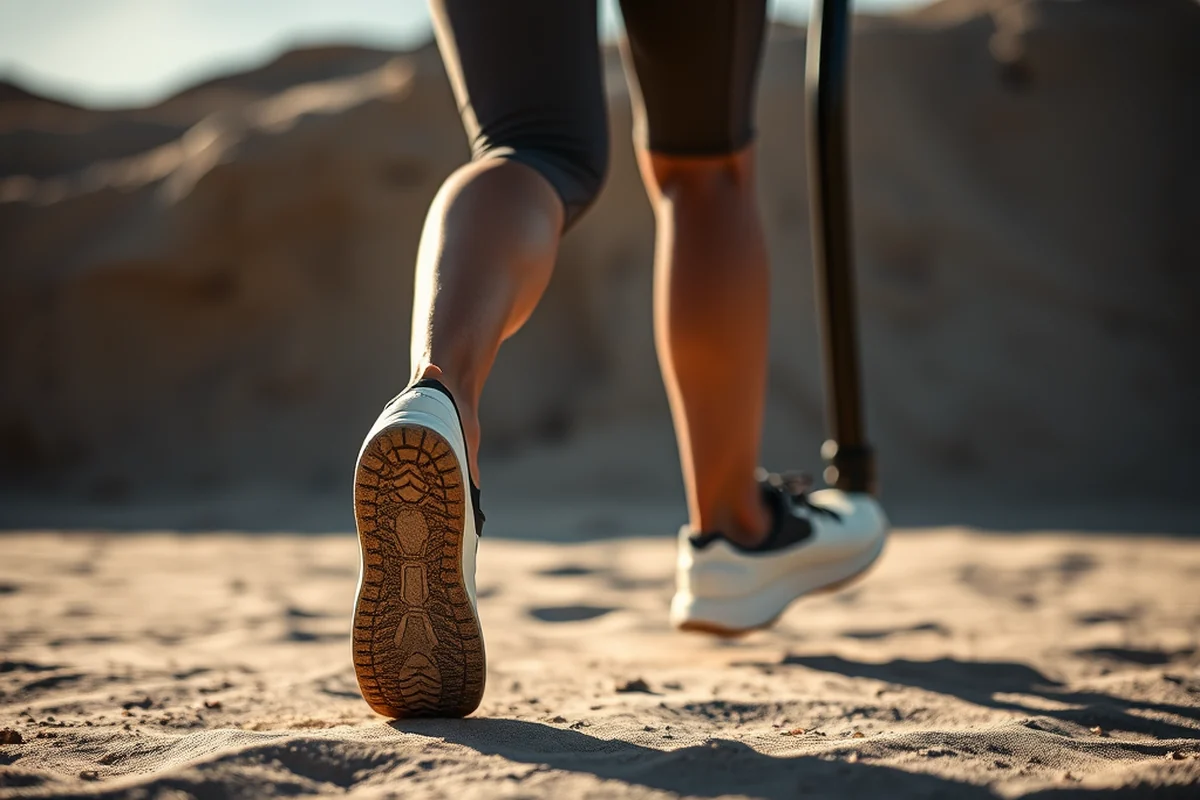
The elliptical uses a combination of moving feet and moving handles to engage your upper and lower body simultaneously. As you move forward, the belt shifts beneath your feet, and your hands can either push or pull the handles to increase resistance. This dual motion makes the elliptical one of the most effective low-impact machines for a full-body workout.
I found that using the handles helped me burn more calories and build more muscle in my arms and back. The motion is smooth and controlled, which is great for people with joint pain or those new to exercise. The elliptical doesn’t just move your legs—it moves your whole body, which is why it can provide a more balanced and efficient workout than other machines.
What’s more, most ellipticals come with a screen that tracks your speed, distance, calories burned, and even heart rate. This makes it easier to stay motivated and track your progress. For someone like me, who is always looking for data to push myself, this feature was a game-changer.
The elliptical moves your whole body—no joints, no pain, just progress.
Related: Gym equipment fit out
Why the Elliptical Is Great for Joint Health
One of the biggest benefits of the elliptical is that it’s easy on the joints. Unlike running or even walking, the elliptical doesn’t place sudden impact on your knees, hips, or ankles. I have a history of knee pain, and when I started using the elliptical, I noticed that my discomfort decreased significantly.
The elliptical’s motion is smooth and gliding, which means your joints experience minimal stress. This makes it a great option for people with arthritis, recovering from injuries, or even older adults who want to stay active. The elliptical allows you to move without the jarring impact that comes with other forms of cardio.
I also found that the elliptical helped me improve my balance and coordination. Since my feet are always in contact with the moving belt, I had to adjust my posture and core engagement. This wasn’t just good for my joints—it was good for my overall stability and strength.
When using the elliptical, avoid leaning forward or hunching over. Keep your back straight and your core engaged to reduce strain on your lower back and improve your form.
“The first time I stepped onto an elliptical trainer, I was skeptical.”— Knee Friendly Elliptical Workouts editors
Related: What is an elliptical exercise machine
The Elliptical vs. Other Cardio Machines: What’s the Difference?
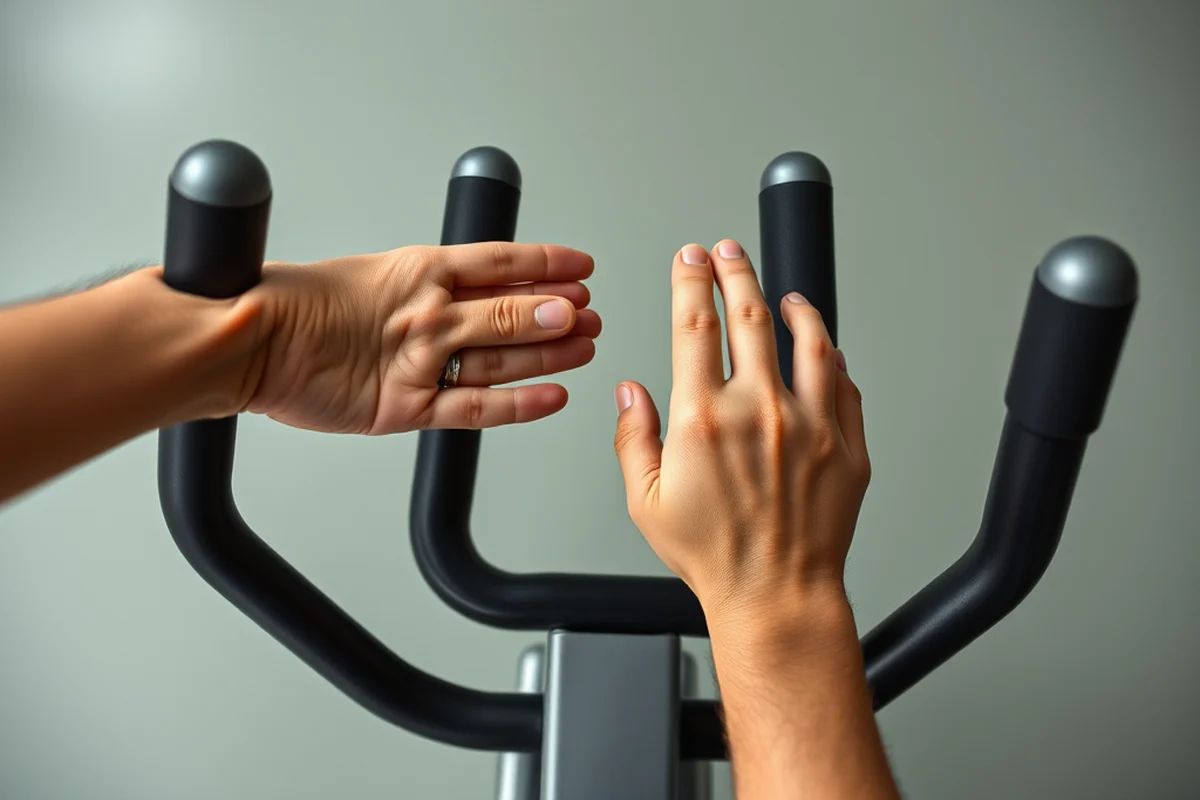
Compared to treadmills, the elliptical is much easier on the joints. Treadmills can cause impact on the knees and hips, especially if you run at a high speed. The elliptical, on the other hand, keeps your body in motion with a smooth, gliding action that reduces the risk of injury.
Bicycles are another option, but they don’t engage the upper body like the elliptical does. This makes the elliptical a more balanced workout, especially for people who want to improve their overall fitness rather than focusing just on the legs. Plus, the elliptical can be used in a variety of ways, from steady-state cardio to high-intensity interval training (HIIT).
For me, the elliptical was a perfect middle ground between the treadmill and the stationary bike. It offered the cardiovascular benefits of a treadmill without the joint strain, and the upper-body engagement of a bike without the need to pedal continuously. It was versatile, effective, and comfortable.
Related: Exercise bands or weights
Elliptical Workouts: How to Get the Most Out of Your Machine
Getting the most out of your elliptical requires a combination of proper technique, resistance levels, and movement. I discovered that using a higher resistance setting with a slower pace helped me build more muscle, while a lower resistance with a faster pace was better for endurance and cardiovascular fitness.
It’s also important to engage your core and keep your posture upright. Leaning forward or slouching can put unnecessary strain on your back and reduce the effectiveness of your workout. I found that keeping my back straight and my core engaged helped me maintain better form and reduced the risk of injury.
Another tip I learned was to vary your workouts. Mixing up your speed, resistance, and incline can help prevent plateaus and keep your workouts interesting. I started alternating between steady-state cardio and HIIT sessions, which kept me motivated and helped me see faster results.
Related: What is the yard gym
Elliptical Machines: What to Look for When Buying One
If you’re thinking about purchasing an elliptical, there are a few key features you should look for. First, the glide should be smooth and silent. I’ve found that some models are quite noisy, which can be a nuisance if you’re working out at home. A quiet glide makes the elliptical more enjoyable and easier to use regularly.
Second, adjustable resistance is important. You want to be able to increase or decrease the resistance as needed, depending on your fitness level and workout goals. Some ellipticals even have a magnetic resistance system, which is more durable and provides a smoother feel than other types.
Lastly, the stride length should be comfortable for your body. A stride that’s too long or too short can cause discomfort or even injury. I found that a mid-sized stride length worked best for me, allowing me to move naturally without straining my legs.
A smooth glide, adjustable resistance, and comfortable stride length make all the difference.
Related: Ab workout on equipment
Elliptical Training: The Benefits You Can’t Ignore
One of the most significant benefits of elliptical training is its ability to improve cardiovascular health. I noticed that after a few weeks of regular elliptical workouts, my heart rate was more stable, and my stamina improved. I could go longer without feeling fatigued, which made me more confident in my workouts.
Elliptical training also helps build muscle and improve balance. Since the elliptical engages both the upper and lower body, it’s a great way to build strength without putting stress on your joints. I found that my arms and back became stronger over time, which helped me with other exercises and daily activities.
Another benefit I noticed was improved flexibility and posture. The elliptical requires you to move your body in a way that promotes good posture and core engagement. Over time, I found that my posture improved, and I felt more balanced in my daily life.
🧘 Beginner Elliptical
Perfect for those new to exercise, with low resistance and simple controls to help you build confidence and endurance.
💰 Budget Elliptical
Ideal for people looking for a no-frills, affordable elliptical that still offers a solid workout and reliable performance.
⚡ Fastest Elliptical
Designed for high-intensity workouts, with quick adjustments and smooth motion to help you maximize your time and results.
💪 Advanced Elliptical
Tailored for experienced users, with high resistance, multiple programs, and a full range of motion for maximum intensity and challenge.
🛠 Maintenance Elliptical
Built with durable components and easy-to-clean materials, this elliptical is designed to last and minimize the need for frequent repairs.
| The mistake | Why it happens | The fix |
|---|---|---|
| Not adjusting the resistance level | Failing to adjust the resistance can lead to inefficient workouts and even injury if the resistance is too high for your fitness level. | Always start at a lower resistance level and gradually increase it as your strength and endurance improve. |
| Holding onto the handles too tightly | Tightening your grip on the handles can lead to tension in the shoulders and neck, reducing the effectiveness of your workout and increasing the risk of injury. | Keep your grip light and relaxed, allowing your arms to move naturally with the motion of the elliptical. |
| Slouching or leaning forward | Poor posture while using the elliptical can strain your back and reduce the effectiveness of your workout. | Maintain an upright posture with your core engaged and your back straight throughout your workout. |
| Not warming up or cooling down | Skipping a warm-up or cool-down can increase the risk of injury and reduce the overall effectiveness of your workout. | Always take 5–10 minutes to warm up before your elliptical session and cool down afterward to help your body transition into and out of the workout. |
What Is Elliptical Trainer
Common Questions
Can the elliptical help with weight loss?
Is the elliptical good for people with knee problems?
How often should I use the elliptical for best results?
Can I use the elliptical for strength training as well?
References
- Comparisons of Perceived Exertion of Elliptical Training versus ... (scholarworks.moreheadstate.edu)
- Why you should try ellipticals - Harvard Health (health.harvard.edu)
Cite this guide
Knee Friendly Elliptical Workouts (2026). What Is Elliptical Trainer. https://mildmotion.com/what-is-elliptical-trainer/
Feel free to cite or share this guide.