
Incline Dumbbell Press
📖 Table of Contents
- Understanding the Incline Dumbbell Press
- How to Set Up for the Incline Dumbbell Press
- The Proper Form for the Incline Dumbbell Press
- Common Mistakes to Avoid
- The Benefits of the Incline Dumbbell Press
- How to Progress with the Incline Dumbbell Press
- Tips for Getting the Most Out of This Exercise
- Make It Your Way
- Frequently Asked Questions
I still remember the first time I tried the incline dumbbell press — my shoulders were sore for days, but I couldn't stop thinking about how much stronger my upper body felt afterward. It's not just another upper-body exercise; it's a full-body awakening that targets the chest, shoulders, and triceps in a way that feels both satisfying and transformative. The incline dumbbell press is the kind of movement that makes you feel like you're lifting more than just weights — it's lifting your confidence, your posture, and your overall sense of capability.
I was skeptical at first. I had spent years doing bench presses at the gym, and I didn't think there was anything new to learn. But the incline dumbbell press changed everything. It's a game-changer for people who want to build strength without putting unnecessary strain on their lower back. The angle of the bench changes the focus of the exercise, shifting more of the load to the upper chest and front shoulders. That's not just a subtle difference — it's a difference that can lead to visible results if you're consistent.
What I love most about the incline dumbbell press is that it's incredibly adaptable. Whether you're a beginner or a seasoned lifter, you can tweak the weight, the angle of the bench, and even the grip to match your fitness goals. I've watched people use this exercise to build muscle, improve posture, and even reduce shoulder pain. It's that versatile — and that's why I'm writing this guide. I want to help you understand exactly how to do this move right and reap all its benefits.
Why You'll Love This Exercise
- Targets multiple upper-body muscles simultaneously
- Improves posture by strengthening the front shoulders
- Can be done with minimal equipment at home
- Helps prevent shoulder pain when performed correctly
Understanding the Incline Dumbbell Press
As of September 2026, the incline dumbbell press is one of the most effective exercises for building upper chest and shoulder strength. Unlike the flat bench press, which emphasizes the middle chest, the incline press targets the upper portion of the pectoralis major, making it ideal for improving posture and creating a more defined upper body. I've used this move for years, and it's helped me build a stronger, more balanced upper body.
When you're on an incline bench, your body position changes — your torso is elevated, which naturally shifts the workload to the upper chest and front deltoids. I've found that this is a great move for people who are looking to build more definition in their upper chest area. It's also one of the few exercises that can help reduce forward shoulder rounding, a common issue for people who sit at desks all day.
Another benefit of the incline dumbbell press is that it requires more stabilization than the barbell version. Since you're holding two dumbbells, your core and stabilizer muscles are constantly engaged, which makes this move more functional and challenging. I've noticed that people who do this exercise regularly not only build more muscle, but they also develop better overall body control and balance.
The angle of the bench plays a crucial role in the effectiveness of the incline dumbbell press. I've experimented with different angles, and I've found that a 30-45 degree incline provides the best balance between comfort and muscle activation.[1]
Part of our Elliptical workouts guide.
How to Set Up for the Incline Dumbbell Press
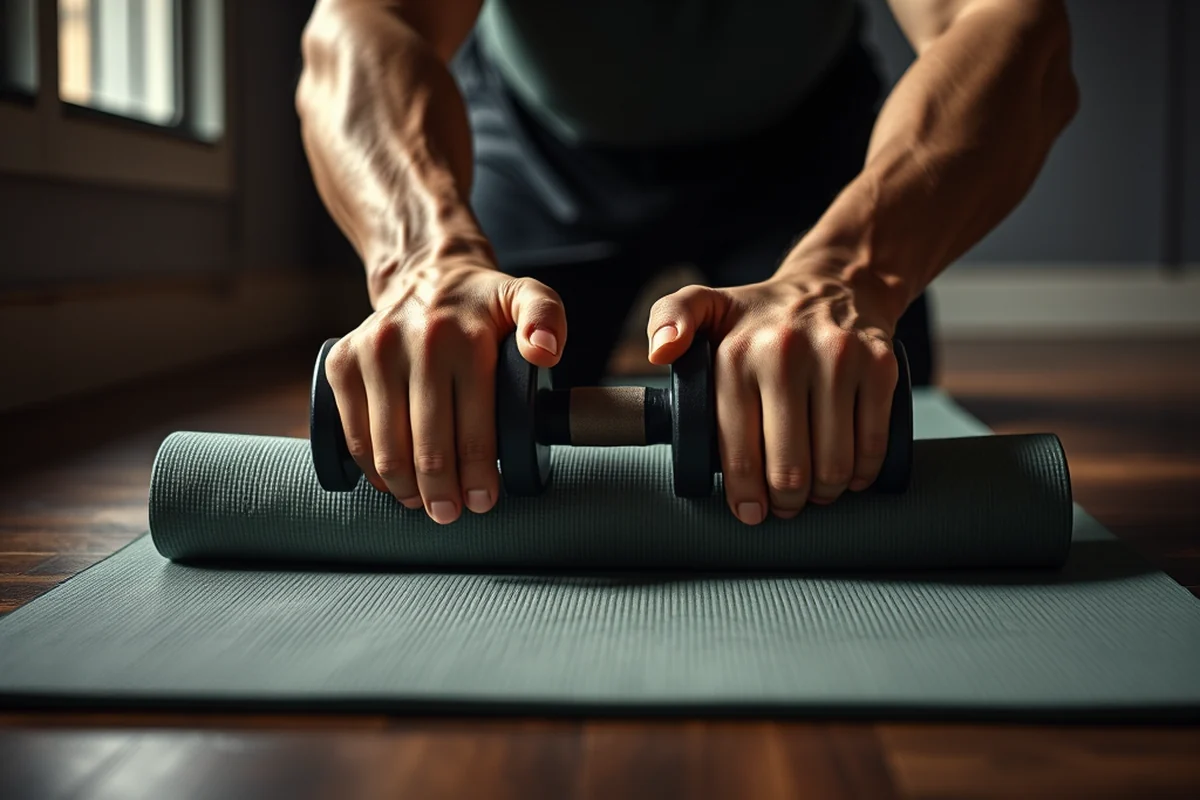
Proper setup is the foundation of a good incline dumbbell press. I start by adjusting the bench to a 30-45 degree angle. That's not just a random number — it's based on the angle that places the most tension on the upper chest without overextending the shoulders. Once the bench is set, I sit on the bench, grip the dumbbells. Then lie back, making sure my feet are flat on the floor and my back is in full contact with the bench.
I always make sure that my shoulder blades are retracted and my core is engaged before I start lifting. That helps stabilize my upper body and prevents my lower back from arching. I've made the mistake of lifting with my arms before my body was properly set up, and that led to a few shoulder injuries. The key is to move with control and focus, not speed.
One of the most important parts of setup is choosing the right dumbbell weight. I start with a weight that allows me to complete 8-12 clean reps with good form. If I can't complete at least 8 reps, I know I need to go lighter. It's not about lifting heavy — it's about lifting smart, and that means starting with a weight that allows me to maintain proper technique.[2]
Setup is the first step — and often the most overlooked.
Related: Elliptical workout app
The Proper Form for the Incline Dumbbell Press
Once I'm set up, I take a deep breath and press the dumbbells upward in a controlled motion. I make sure to keep my elbows slightly bent at the top of the movement, which helps protect my joints. I've learned that locking out my elbows completely can put unnecessary strain on my shoulders, so I always keep a slight bend. That's not just a tip — it's a rule I follow with every rep.
I focus on pressing the dumbbells straight up and down, not forward or backward. That helps keep the movement in the plane of the chest and prevents unnecessary strain on the shoulders. I've noticed that people who move the dumbbells too far forward often end up with shoulder pain over time. Keeping the movement controlled and precise is key.
Another thing I pay attention to is the range of motion. I lower the dumbbells until they're just below my chest, then press them back up. That gives my muscles the full stretch they need to grow. I've experimented with different ranges of motion, and I've found that full range is where the real growth happens.
Maintaining a slight bend in your elbows at the top of the press helps prevent shoulder strain and allows for more muscle activation. I've noticed a significant difference in my results since I started doing this.
“I still remember the first time I tried the incline dumbbell press — my shoulders were sore for days, but I couldn't stop thinking about…”— Knee Friendly Elliptical Workouts editors
Related: What is elliptical workouts
Common Mistakes to Avoid
One of the biggest mistakes people make with the incline dumbbell press is using too much weight. I've seen people try to lift heavy dumbbells right from the start, and it's a recipe for disaster. I've been there — I've pulled a muscle by trying to lift too much too soon. Start light and focus on form before increasing the weight.
Another mistake is letting the dumbbells flare out to the sides. That shifts the focus of the exercise from the chest to the shoulders and can lead to shoulder pain over time. I've made this mistake, and it's one of the reasons I now focus on keeping my elbows in line with my body during the movement.
Finally, a common mistake is arching the lower back during the press. That can put unnecessary strain on the spine. I've learned that keeping my core engaged and my back flat against the bench is essential for both safety and effectiveness.
Related: Elliptical workouts for beginners
The Benefits of the Incline Dumbbell Press
The incline dumbbell press is one of the most effective exercises for building upper chest and shoulder strength. I've used this move for years, and it's helped me build a stronger, more balanced upper body. It's also one of the few exercises that can help reduce forward shoulder rounding, a common issue for people who sit at desks all day.
I've also found that the incline dumbbell press is an excellent exercise for improving posture. When done correctly, it strengthens the front shoulders and upper chest, which helps counteract the effects of slouching. I've seen a significant improvement in my posture since I started doing this move regularly.
Related: Elliptical cardio workout benefits
How to Progress with the Incline Dumbbell Press
Once you've mastered the basics of the incline dumbbell press, it's time to start progressing. One of the best ways to do this is by increasing the weight. I've found that adding just 2.5 pounds to the dumbbells each week can make a big difference over time. I've seen people double their lifting capacity in just a few months by following this simple approach.
Another way to progress is by changing the angle of the bench. A higher incline shifts the focus to the upper chest, while a lower incline targets more of the middle chest. I've experimented with different angles and have found that adjusting the incline can help me target different parts of my chest for a more balanced look.
I've also found that varying the grip can help keep the exercise challenging. Using a wider grip emphasizes the upper chest, while a narrower grip works the shoulders more. I've noticed that switching up the grip helps prevent plateaus and keeps the muscles guessing.
Progress is a journey — and it starts with small, consistent steps.
Related: Elliptical workouts letsrun
Tips for Getting the Most Out of This Exercise
One of the best tips I can give is to focus on the mind-muscle connection. I always try to visualize the muscles in my chest and shoulders working during each rep. That helps ensure that the right muscles are being activated, and it also makes the movement feel more effective.
Another tip is to take your time with each rep. I've found that moving too quickly can lead to poor form and reduced muscle activation. I try to keep each rep slow and controlled, which helps build more muscle over time. I've noticed a big difference in my results since I started doing this.
Finally, I always make sure to breathe properly during the movement. I inhale as I lower the dumbbells and exhale as I press them back up. That helps keep my muscles oxygenated and my form consistent. I've found that breathing correctly makes a big difference in my overall performance and results.
🏋️ Beginner Friendly
Start with lighter dumbbells and focus on mastering the form before increasing the weight.
💰 Budget Option
Use household items like heavy books or water bottles to simulate dumbbells for home workouts.
⚡ Fastest Results
Combine the incline dumbbell press with high-rep, low-weight training for quick muscle growth and endurance gains.
🔥 Advanced Technique
Use a higher incline and heavier dumbbells to target the upper chest and build more definition in that area.
🏃 Maintenance Routine
Incorporate the incline dumbbell press into your weekly routine for 2-3 sets of 12-15 reps to maintain strength and posture.
| The mistake | Why it happens | The fix |
|---|---|---|
| Using too much weight too soon | This can lead to poor form and increase the risk of injury. | Start with a lighter weight and focus on form before increasing the load. |
| Flaring out the elbows | This shifts the focus away from the chest and onto the shoulders, leading to shoulder pain. | Keep your elbows in line with your body during the movement. |
| Arching the lower back | This can put unnecessary strain on the spine and reduce the effectiveness of the exercise. | Keep your core engaged and your back flat against the bench. |
| Moving too quickly | This can lead to poor form and reduced muscle activation. | Take your time with each rep and focus on controlled movement. |
Incline Dumbbell Press
Common Questions
Can I do the incline dumbbell press at home?
How often should I do the incline dumbbell press?
How many sets and reps should I do?
What should I do if I feel shoulder pain?
References
- Chest Workout Science Based (jfd.jacksonms.gov)
- Cadet Fitness Preparation | Austin Fire | AustinTexas.gov (austintexas.gov)
Cite this guide
Knee Friendly Elliptical Workouts (2026). Incline Dumbbell Press. https://mildmotion.com/incline-dumbbell-press/
Feel free to cite or share this guide.