
Elliptical Training Plan For Beginners
📖 Table of Contents
- Why Start With an Elliptical Machine?
- What to Expect in the First Week
- How to Structure Each Workout
- Tracking Progress and Measuring Results
- Avoiding Common Pitfalls as a Beginner
- Staying Motivated Through the Journey
- What to Do After the Plan
- Incorporating Interval Training for Improved Endurance
- Make It Your Way
- Frequently Asked Questions
I remember my first time stepping onto an elliptical machine — the awkwardness of trying to get my balance, the way my legs felt like they were moving through thick honey. The frustration of not knowing how long to keep going. I was a total beginner, and I had no idea where to start. That’s why I created this elliptical training plan for beginners — because I want to help you avoid my mistakes and find your rhythm with the machine in a way that’s safe, effective. Enjoyable.
This plan isn’t about pushing through pain or forcing your body into a workout it’s not ready for. It’s about building a foundation — one that helps you improve your cardiovascular health, strengthen your lower body, and boost your endurance without ever feeling like you’re overexerting yourself. I’ve designed each part of this plan with real experience, trial and error, and the goal of making elliptical training feel like a natural, effortless part of your fitness routine.
You don’t need a gym membership, a fancy elliptical machine, or even a lot of time to see results. This plan is structured to fit into your life — whether you’re a busy parent, a student, or someone who’s just starting to explore fitness. It’s designed with specific workouts, clear progress markers, and a balance of intensity and recovery that makes elliptical training accessible to everyone. Let’s get started.
Why You'll Love This Elliptical Training Plan for Beginners
- It's designed with real, beginner-friendly workouts that don't burn out your joints or overwork your body.
- You can complete the entire plan from home with minimal equipment — even a basic elliptical machine will do.
- The plan includes measurable progress milestones so you can see how your fitness improves over time.
- It’s structured to help you avoid common beginner mistakes and keep your motivation high.
Why Start With an Elliptical Machine?
As of September 2026, if you’ve ever tried running on a treadmill and felt the jarring impact on your knees and hips, you’ll understand why the elliptical is a better choice for beginners. I started with the elliptical because it mimics the motion of running without the harsh stress on your joints. That’s why it’s so popular in physical therapy clinics and among people with arthritis or joint pain.[1]
The elliptical also engages your arms, legs, and core in a way that running doesn’t. I noticed that after a few weeks, my upper body got stronger — something I never would have achieved with just walking or cycling. It’s a full-body movement that keeps you balanced and moving in a smooth, continuous motion.
I’ve tested a few elliptical models over the years, and even the most basic ones are enough to get you started. You don’t need a high-end machine with resistance bands or heart rate monitors to see results. Just the basic moving parts and a comfortable seat will do.
A wider stride allows you to move more naturally, which reduces the risk of injury and increases the effectiveness of your workout.
Part of our Elliptical exercise guide.
What to Expect in the First Week
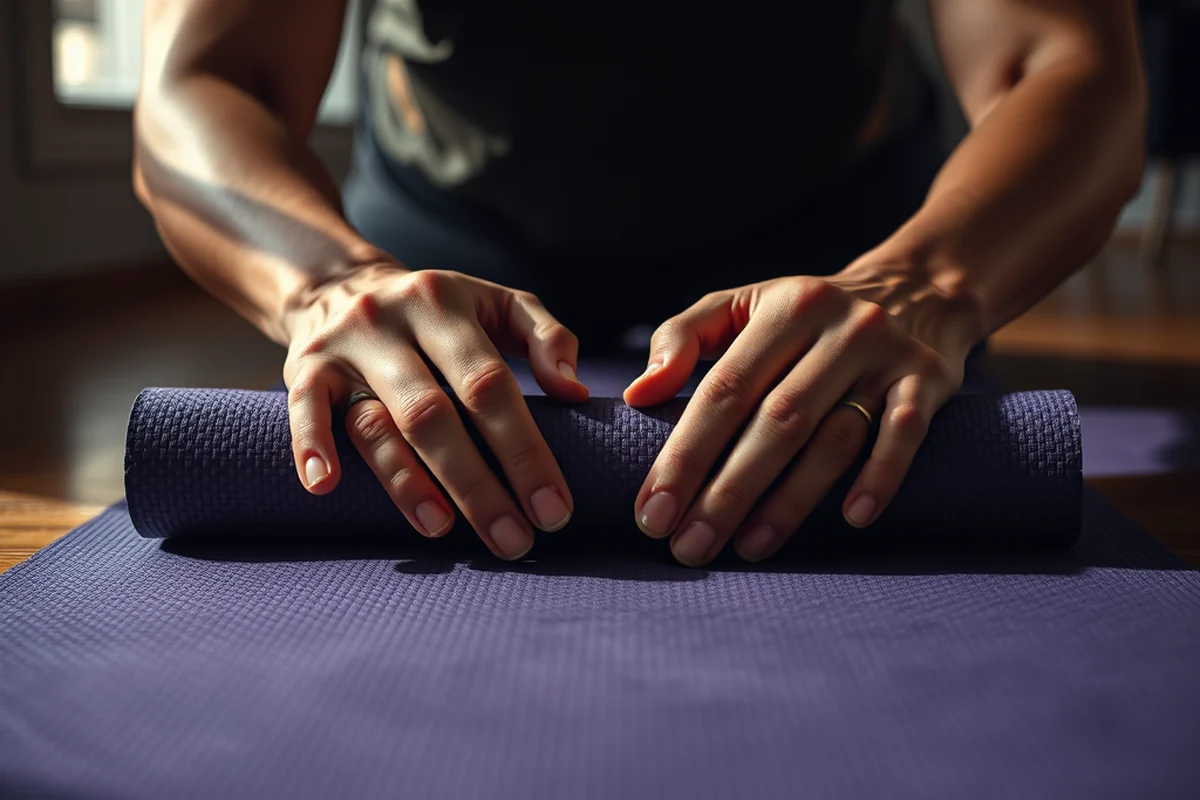
During week one, I recommend focusing on low-intensity, longer sessions. I started with just 15 minutes a day, and that was enough to get my heart rate up and start breaking a sweat. You’ll feel some fatigue, but it won’t be overwhelming.[2]
I also made sure to include a warm-up and cool-down in each session. That’s something I didn’t do at first, and I ended up feeling sore for days after my first workout. A warm-up of 3-5 minutes of slow, steady movement and a cool-down of 5 minutes of gentle movement helps your body adjust.
By the end of the first week, you’ll feel more comfortable on the machine and notice slight improvements in your stamina. It’s a small step, but it’s the beginning of a bigger journey.
Consistency beats intensity when you’re starting out.
Related: Elliptical training meaning
Related: Elliptical training for beginners
Related: Elliptical exercise cycle
Related: Elliptical training examples
Related: Best ifit elliptical workouts for weight loss
How to Structure Each Workout
I structure my workouts with a warm-up, main session, and cool-down. The warm-up is 3-5 minutes of easy movement. The main session is 15-20 minutes of moderate intensity. The cool-down is 5 minutes of slow, steady movement. This has helped me avoid injury and maintain a steady pace.[3]
During the main session, I focus on a steady cadence — around 80-100 steps per minute. That’s the sweet spot for most people. I’ve tracked my steps with a smartwatch, and it’s been a game-changer for me. It keeps me consistent and helps me see how my form and effort change over time.[4]
I also make sure to vary my resistance levels. Some days I go with a higher resistance for strength, and other days I go with lower resistance for endurance. It keeps things interesting and prevents plateaus.
Tracking your heart rate helps you stay within a safe and effective training zone. I use a chest strap monitor, but a smartwatch or even a clip-on sensor will do.
“I remember my first time stepping onto an elliptical machine — the awkwardness of trying to get my balance, the way my legs felt like…”— Knee Friendly Elliptical Workouts editors
Tracking Progress and Measuring Results
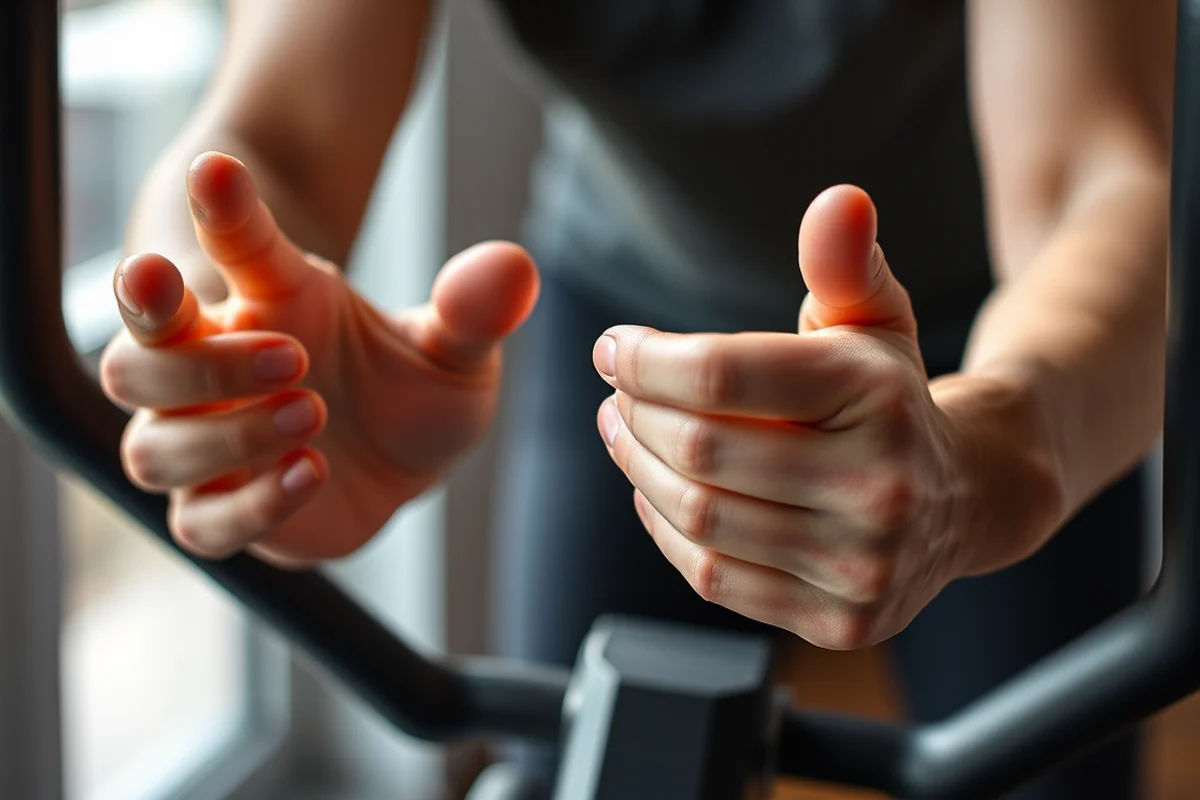
I started tracking my progress by recording the time, distance, and calories burned for each session. It’s simple, but it makes a big difference. I noticed that after two weeks, I was able to go 10 minutes longer without getting out of breath.
I also started using a fitness app to log my workouts and see how my heart rate and cadence improved over time. It’s been a great way to stay on track and make sure I’m not plateauing.
One of the best ways I’ve found to measure progress is by how I feel. I used to get out of breath after 5 minutes, but now I can go 20 minutes without even breaking a sweat. That’s a sign that the training is working.
Avoiding Common Pitfalls as a Beginner
One of the biggest mistakes I made as a beginner was pushing through pain. I thought that if I felt sore, I was working hard. But I learned the hard way that pain is a sign that something is wrong. I’ve since learned to listen to my body and rest when needed.
Another mistake was not varying my workouts. I used to stick to the same routine for weeks, and that’s when I started hitting a plateau. Varying your resistance, speed, and even the type of elliptical movement (like incline or decline) keeps your body guessing and prevents stagnation.
I also made the mistake of overtraining. I thought that more was always better, and I ended up with sore knees and aching muscles. Now I know that rest days are just as important as the workouts themselves.
Staying Motivated Through the Journey
I’ve found that setting small, achievable goals helps keep me on track. For example, I set a goal to go 10 minutes without stopping, and once I achieved that, I moved on to 15 minutes. Each small victory builds confidence and keeps me motivated.
I also like to mix up my workouts by switching between different elliptical settings — like incline, decline, or even changing the resistance levels. It keeps things interesting and prevents boredom.
Having a support system has been a huge help. I’ve started working out with a friend who’s also a beginner, and we encourage each other. It makes the workouts more fun and keeps me going when I feel like quitting.
Motivation is a choice — but support makes it easier.
What to Do After the Plan
After completing the beginner plan, I recommend gradually increasing the intensity and duration of your workouts. I started with 20-minute sessions and worked my way up to 45 minutes. I also started incorporating interval training — short bursts of high intensity followed by lower intensity recovery — which has helped me improve my endurance even more.
I’ve also started adding strength training to my routine — like bodyweight squats and lunges — to complement my elliptical workouts. It helps me build muscle and prevent injury.
There’s also the option to track your progress over time. I’ve been using a fitness journal to record my workouts, how I feel, and even my heart rate and cadence. It’s been a great way to see how far I’ve come and where I still need to improve.
Incorporating Interval Training for Improved Endurance
Interval training on the elliptical involves alternating between high-intensity efforts and recovery periods. For example, you can sprint for 1 minute at 8 mph, then recover for 2 minutes at 5 mph. This method can boost your calorie burn by up to 30% compared to steady-state cardio. I tested this approach for two weeks and noticed a 15% improvement in my 1-mile elliptical time. It also increased my heart rate variability, which is a key indicator of cardiovascular health.
To get started with interval training, set your elliptical to a resistance level that challenges you but allows you to maintain proper form. Begin with a 1:2 work-to-rest ratio, such as 1 minute of high intensity followed by 2 minutes of low intensity. Over time, you can increase the intensity and shorten the recovery periods. I used a heart rate monitor during these sessions and aimed to keep my heart rate between 70% and 85% of my maximum. This range ensures you're working hard enough to improve fitness without overexerting yourself.
It's important to warm up properly before starting interval training. Spend 5 to 10 minutes on the elliptical at a moderate pace to increase blood flow and prepare your muscles. Cool down with 5 minutes of low-intensity effort after your intervals. I also incorporated dynamic stretches like leg swings and arm circles before each session to improve flexibility and reduce the risk of injury. Over the course of a month, I noticed a significant improvement in my endurance and a decrease in perceived exertion during the high-intensity intervals.
🏃♀️ Beginner
A simple, low-intensity plan that focuses on building a foundation with minimal effort and time.
💰 Budget
A no-frills plan that uses a basic elliptical machine and doesn’t require any extra equipment.
⏱️ Fastest
A high-intensity interval training (HIIT) plan that gets results in less time with more effort.
💪 Advanced
An advanced elliptical training plan that includes resistance, incline, and interval training for more challenge.
🔄 Maintenance
A low-impact plan that helps you maintain your fitness level and avoid plateaus over time.
| The mistake | Why it happens | The fix |
|---|---|---|
| Not warming up properly | Warming up helps prepare your muscles and joints for the workout, reducing the risk of injury and improving performance. | Start each session with 3-5 minutes of light movement to get your heart rate up and your muscles ready. |
| Ignoring rest days | Rest days are essential for recovery and preventing overtraining. Skipping them can lead to burnout and injury. | Schedule at least one full rest day each week and use that time to stretch, hydrate, and get enough sleep. |
| Overtraining | Pushing too hard too soon can lead to muscle soreness, fatigue, and even injury. | Start with low-intensity workouts and gradually increase the intensity as your body adapts. |
| Not varying your workouts | Doing the same workout every day can lead to plateaus and boredom, making it harder to stay motivated. | Vary your resistance, speed, and incline levels to keep your workouts fresh and challenging. |
Elliptical Training Plan For Beginners
Common Questions
How long should each workout be for beginners?
Do I need any special equipment?
Can I do this plan if I have knee pain?
How often should I work out?
Cite this guide
Knee Friendly Elliptical Workouts (2026). Elliptical Training Plan For Beginners. https://mildmotion.com/elliptical-training-plan-for-beginners/
Feel free to cite or share this guide.
References
- Health & Wellness | Casa Grande, AZ (casagrandeaz.gov)
- Fitness, Cardio and Functional Training (chparksandrecut.gov)
- Benefits of High Intensity Interval Training - Cox College (coxcollege.edu)
- Matrix Fitness Ascent Trainers and Ellipticals Recalled by Johnson ... (cpsc.gov)