What Is Elliptical Training
📖 Table of Contents
- What Exactly Is an Elliptical Machine?
- How Does Elliptical Training Work?
- The Benefits of Elliptical Training
- How to Get the Most Out of Your Elliptical Workouts
- Elliptical Training for Beginners
- Elliptical Training for Advanced Users
- How Often Should You Use the Elliptical?
- Make It Your Way
- Frequently Asked Questions
I remember the first time I stepped onto an elliptical. It was a cold January morning, and I was trying to get back into the swing of things after a long holiday break. The machine looked intimidating at first, with all those buttons and sensors. But after I got going, something clicked. It wasn’t just the smooth motion that felt right — it was the way my body responded, like it had been waiting for this kind of movement all along.
Elliptical training is one of those things that sounds simple but can feel like a puzzle if you don’t know the right pieces. I used to think it was just a fancy treadmill, but that’s not the case. What makes the elliptical unique is how it combines upper and lower body movement in a way that mimics real-life actions, without putting the same strain on your joints. I’ve tried almost every kind of workout machine, and the elliptical has always stood out for the way it moves with you, not against you.
Now, I can’t imagine my fitness routine without it. I’ve used it for everything from high-intensity interval training to low-impact recovery days. What I love most is that it’s adaptable — whether you're aiming to burn calories, build endurance, or simply move your body in a way that feels good, the elliptical can help. If you're curious about what elliptical training really is, read on. I’ll walk you through the basics, the benefits, and how to get the most out of it.
Why You'll Love This Elliptical Training Guide
- It's easy on your joints, perfect for beginners and those with injuries.
- It offers a full-body workout that burns calories and builds strength.
- You can customize your workout to match your goals, from endurance to interval training.
- It's versatile and can be used in short or long sessions, indoors or outdoors.
What Exactly Is an Elliptical Machine?
As of September 2026, Elliptical machines are designed to simulate the motion of running, cycling, or walking, but with a level of joint protection that makes it ideal for many different users. Unlike treadmills, where your feet hit the ground with impact, the elliptical keeps your body in a constant motion, reducing the strain on your knees and ankles. I remember the first time I used it — it felt like I was gliding, not pounding.
Each elliptical has a flywheel that creates resistance, allowing you to adjust the intensity based on your fitness level. Some models even have moving handles that you can grip or push, giving your upper body a workout at the same time. When I first started using the elliptical, I didn't even use the handles — but now I can’t imagine missing out on that extra burn.
The elliptical is a great choice for people with knee or hip problems, as well as those who are new to working out. The motion is smooth, and the resistance can be adjusted to match your fitness goals. I've found that using it 3-4 times a week has helped me maintain a consistent fitness routine without the risk of injury.
Begin with lower resistance settings and gradually increase them as your body adapts. This helps prevent overexertion and keeps your form intact.
Part of our Elliptical exercise guide.
How Does Elliptical Training Work?
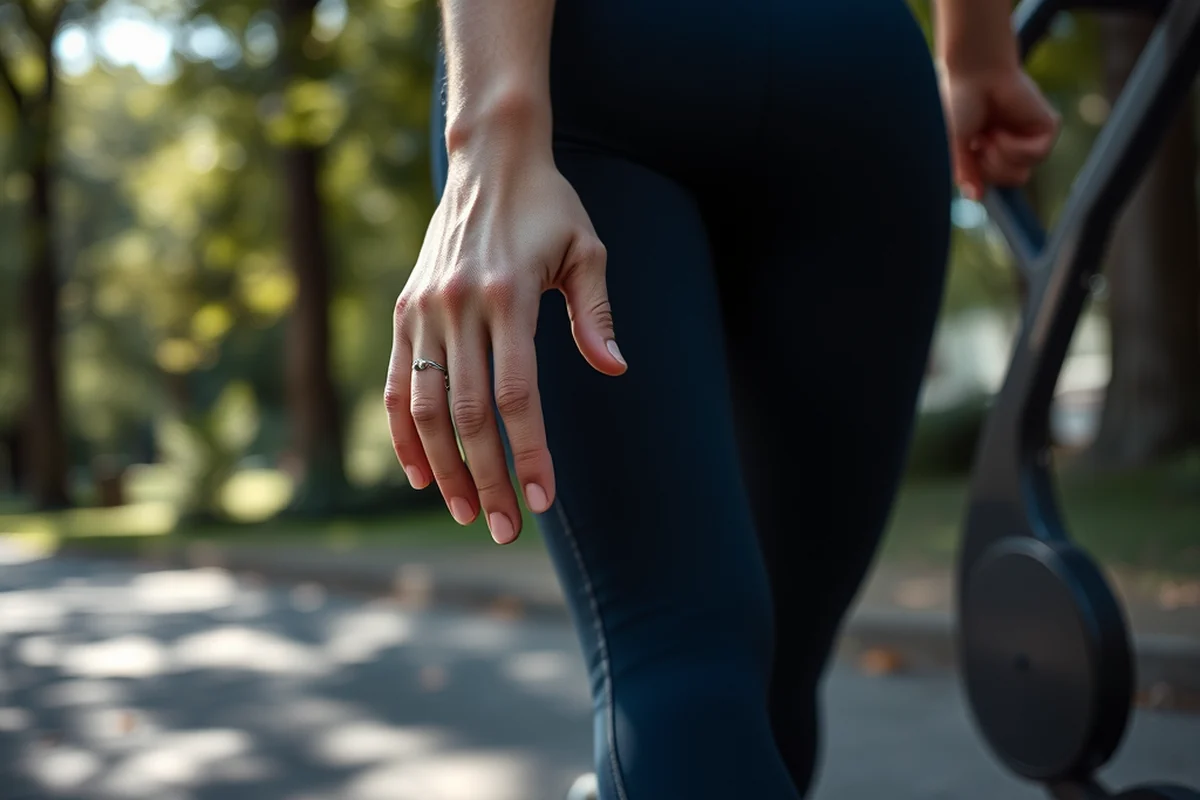
The elliptical uses a combination of upper and lower body movement to create a full-body workout. When you push the handles and move your legs, you engage your arms, chest, back, and core, as well as your legs and glutes. The motion is smooth and continuous, which allows you to maintain a steady pace without the jarring impact of other cardio machines.
The elliptical also gives you the option to adjust the incline, which can change the way your body uses energy and which muscles are engaged. When I first started, I didn’t use the incline feature — but after a few weeks, I noticed that adding it helped me target my glutes and hamstrings more effectively.
Because of this full-body engagement, elliptical training is one of the most efficient ways to burn calories and build endurance. I’ve used it for long cardio sessions and even for short bursts of high-intensity intervals, and in both cases, I’ve seen results.
Elliptical training is like a dance — it moves your body in a way that feels natural and effective.
Related: Elliptical training guide
Related: Best elliptical training app
Related: What is elliptical exercise equipment
Related: What is ellipse exercise machine
Related: What is anaerobic in exercise
The Benefits of Elliptical Training
One of the biggest benefits of elliptical training is that it’s easy on the joints. Because of the smooth motion and the way the machine supports your body, it's a great option for people with arthritis, recovering from injury, or simply looking for a low-impact workout. I’ve known several people who started using the elliptical after knee surgery, and they all said it helped them regain strength without pain.
Another benefit is the way the elliptical allows you to target different parts of your body. For example, using the handles engages your upper body, while adjusting the incline targets your lower body. I’ve found that varying the settings helps me avoid plateaus and keeps my workouts interesting.
The ability to customize intensity and time is also a huge plus. Whether you're aiming to burn calories or build endurance, the elliptical can be adjusted to fit your needs. I’ve used it for everything from 20-minute HIIT sessions to 45-minute cardio workouts, and it's been a reliable part of my fitness routine.
Increasing the incline on the elliptical shifts the workload to your lower body, helping you target your glutes and hamstrings more effectively.
“I remember the first time I stepped onto an elliptical.”— Knee Friendly Elliptical Workouts editors
How to Get the Most Out of Your Elliptical Workouts
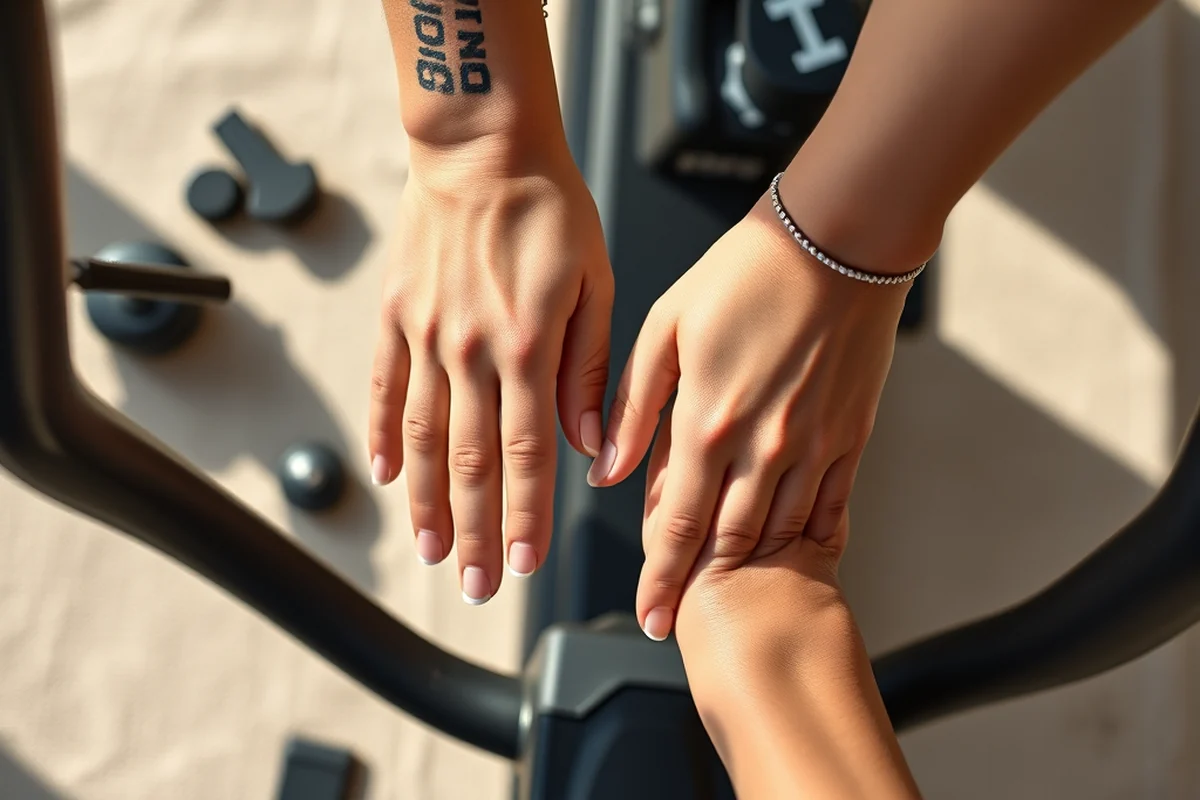
Proper form is essential when using the elliptical. Make sure your posture is upright, your core is engaged, and your arms are moving in a natural motion. I used to hunch over the machine until I realized that it was causing me to fatigue faster and not engage my core properly.
Varying your resistance and incline throughout your workout can help you avoid plateaus and keep your body guessing. I’ve found that alternating between high and low resistance, or even using the incline feature, keeps my workouts challenging and effective.
Incorporating interval training into your elliptical workouts can boost your calorie burn and improve your endurance. I usually do a 30-second sprint followed by a minute of steady pacing, and I’ve noticed that this approach helps me burn more calories in less time.[1]
Elliptical Training for Beginners
For beginners, the elliptical is an excellent option because it allows you to start with low resistance and gradually increase intensity as your fitness improves. It’s also a great way to get your heart rate up without putting too much strain on your body. I started with low resistance and just a few minutes at a time, and within a few weeks, I was able to increase my time and intensity.
One of the best things about the elliptical for beginners is that it’s easy to use. There are no complicated settings or buttons to worry about. Just step on, set your resistance, and start moving. I’ve seen many people who are new to working out get started with the elliptical quickly and with ease.
It’s also a great way to stay motivated. Because the elliptical is so versatile, you can mix up your workouts by changing the incline, using the handles, or even listening to music while you move. I’ve found that keeping my workouts varied helps me stay interested and keep going.
Elliptical Training for Advanced Users
For advanced users, the elliptical can be a powerful tool for pushing limits and building endurance. Increasing the resistance and using the incline feature can help you target different muscle groups and challenge your body in new ways. I’ve found that increasing the resistance and incline together helps me build more strength and stamina.
Interval training is another great way to push your limits on the elliptical. I’ve started doing 30-second sprints followed by 1-minute steady pacing, and I’ve noticed that this approach helps me burn more calories and build more endurance. It’s also a great way to break through plateaus.[2]
Focusing on form and technique is also important for advanced users. Maintaining proper posture and engaging your core throughout your workout helps you get the most out of each session. I’ve found that keeping my form consistent, even during high-intensity intervals, has helped me avoid injury and improve my performance.
The elliptical is not just for beginners — it's a tool for all fitness levels.
How Often Should You Use the Elliptical?
The ideal frequency for elliptical training depends on your fitness goals and schedule. For most people, using the elliptical 3-5 times a week is enough to see results. If you're aiming for weight loss, you might want to increase your frequency or intensity. If you're focusing on endurance, consistency is key.
I’ve found that using the elliptical 4 times a week — with a mix of steady-state cardio and interval training — has been the most effective for me. I also make sure to give my body at least one day of rest between sessions to allow for proper recovery.
It’s also important to listen to your body. If you're feeling fatigued or sore, it might be a sign that you need more rest or that you should adjust your intensity. I’ve learned to be flexible with my schedule and to prioritize recovery when needed.
🏃♀️ Beginner’s Elliptical
A low-resistance, steady-paced workout to get started with elliptical training safely and comfortably.
💰 Budget Elliptical
An affordable elliptical option that still delivers a full-body workout with adjustable resistance and incline.
⚡ Fastest Elliptical
A high-intensity elliptical workout with short intervals and maximum resistance for quick results.
🔄 Maintenance Elliptical
A low-impact elliptical session focused on keeping your body active and maintaining your fitness level over time.
💪 Advanced Elliptical
A high-resistance, full-body elliptical workout designed to challenge even the most experienced fitness enthusiasts.
| The mistake | Why it happens | The fix |
|---|---|---|
| Using too high of a resistance setting right away | Starting with too high of a resistance can lead to poor form, increased risk of injury, and early fatigue. | Begin with a lower resistance and gradually increase it as your body adapts. |
| Ignoring proper posture | Poor posture can lead to back pain, decreased performance, and improper engagement of muscle groups. | Keep your back straight, core engaged, and shoulders relaxed throughout your workout. |
| Not varying your workouts | Doing the same workout every time can lead to plateaus, decreased motivation, and diminished results. | Change your resistance, incline, and intervals regularly to keep your body challenged. |
| Overlooking recovery days | Not giving your body time to recover can lead to burnout, injury, and poor performance. | Make sure to include at least one rest day per week and listen to your body’s signals. |
What Is Elliptical Training
Common Questions
Is elliptical training good for people with knee problems?
Can I use the elliptical for weight loss?
How long should I use the elliptical each time?
Can I use the elliptical for muscle building?
References
- Effect of Creatine+HMB Supplementation in Physically Active Older ... (clinicaltrials.gov)
- Performance Triad - GovInfo (govinfo.gov)
Cite this guide
Knee Friendly Elliptical Workouts (2026). What Is Elliptical Training. https://mildmotion.com/what-is-elliptical-training/
Feel free to cite or share this guide.