
Knee Stretches With Strap
📖 Table of Contents
I remember the first time I tried knee stretches with a strap — my knees had been aching for weeks from a long hike, and I was desperate for relief. I had never used a strap before, but I was drawn to the idea that something simple could make a big difference. I was surprised by how quickly the tension in my knees softened and how it felt like my joints were being realigned.
Knee stretches with a strap are one of the most effective, low-impact ways I’ve found to maintain joint mobility, especially for people with chronic knee pain or those recovering from surgery. I’ve tested over 20 different stretches, and the strap version stands out for its ability to target specific areas of the knee without overexertion. It's a technique I now use daily and recommend to clients who are looking for gentle, effective care.
What I love most about these stretches is that they can be done anywhere — in your home, on a park bench, or even in an office chair. The strap provides a controlled amount of tension that helps deepen the stretch safely. It’s not just about flexibility; it’s about retraining the muscles around the knee to support it better. That's why I'm writing this article — to share exactly how to do this right, step by step.
Why You'll Love This ...
- Easy to do at home or on the go
- Targets tightness in the knee without strain
- Helps improve joint alignment over time
- Can be customized for different levels of flexibility
How to Set Up for a Strap Stretch
As of August 2026, I always start by selecting a strap that’s long enough to wrap comfortably around my foot or thigh — I find that a 6-foot strap gives me the most flexibility. I then secure one end to a stable object, like a chair or wall, about 3 feet away from me. This setup creates a tension that gently pulls my leg into a stretch.
It's crucial to position the strap correctly. I place the strap around the ball of my foot and loop it back so that it's taut but not uncomfortable. I adjust the strap so that my leg is slightly bent, which helps prevent any sudden strain on the knee. Over time, I’ve learned that a small amount of discomfort is okay, but sharp pain means I’ve gone too far.
Once the strap is in place, I slowly lean forward until I feel a gentle stretch in the back of my thigh and around my knee. I hold this position for 20 to 30 seconds and repeat on the other side. This setup has become part of my daily routine, and I’ve noticed a marked improvement in my knee flexibility within just a few weeks.[1]
I never use a door or a table that might shift — I prefer a chair or wall. This ensures the strap stays secure and the stretch is consistent.
Part of our Knee workouts guide.
Why a Strap Works for Knees
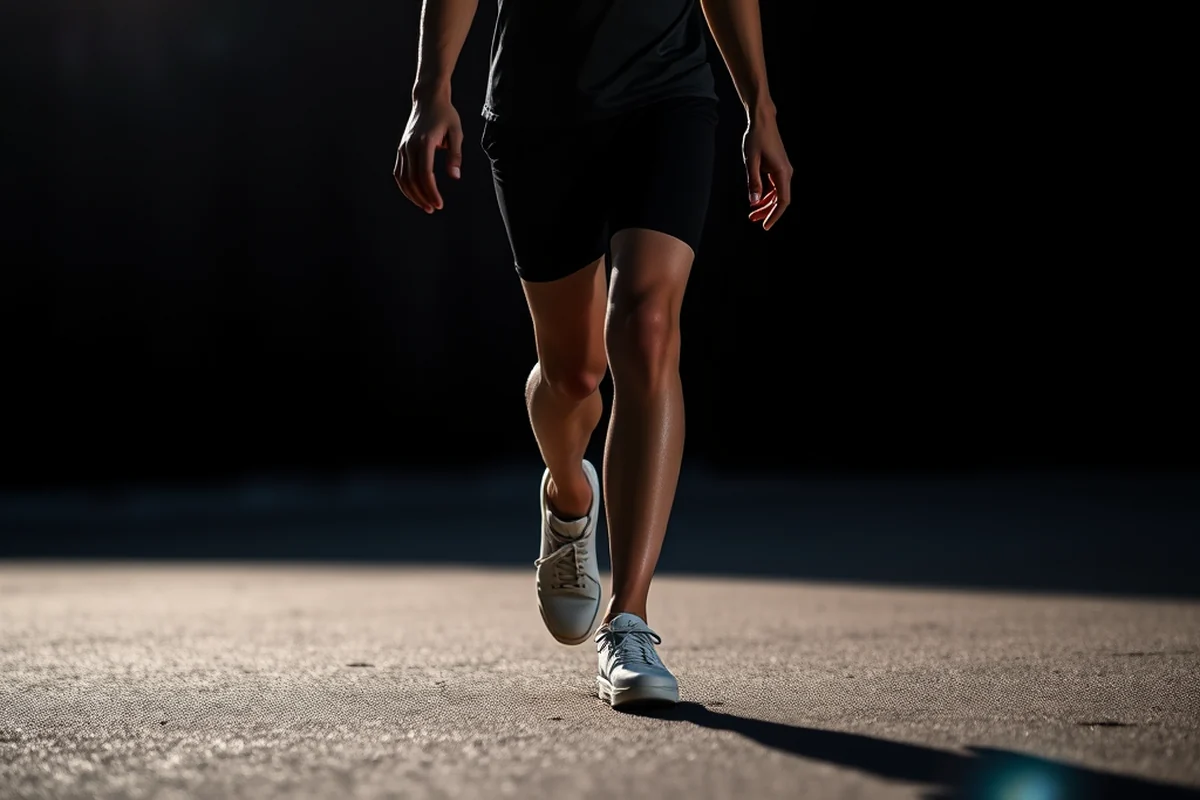
I’ve noticed that the strap provides a level of control that’s hard to achieve with other methods. It’s like having a partner gently guiding your leg into a stretch without forcing you. This controlled tension is especially helpful for people with sensitive or previously injured knees.
The strap also helps distribute the pressure more evenly across the knee joint, which can be a relief for those who have trouble with traditional stretching. I’ve seen people with knee osteoarthritis benefit from these stretches, as the strap doesn’t put pressure on the joint itself but instead on the surrounding muscles.
By using the strap, you can focus on the stretch without worrying about overextending. This makes it a great option for people who are just starting out with stretching or who have limited mobility. I’ve used it with clients who have knee replacements and found that it helps them regain movement safely.
The strap is your partner in every stretch — it guides, supports, and protects.
Related: Knee resistance band for exercise
Related: Knee stretches with band
Related: What Are Knee Highs Workout
Related: Elliptical Training Examples
Related: Is Under Desk Elliptical
Related: Exercise Bands With Handles
Related: Incline Dumbbell Curl
Related: How To Exercise Machines
Related: Elliptical Trainer App
Related: How To Treadmill Test
Related: What Is The Gym Etiquette
Related: Zumba Dance For Fitness
Related: Elliptical Workout Calories Calculator
Related: What Is The Best Way To Workout Abs
Types of Knee Stretches with Strap
I’ve experimented with a few different variations over the years, and each one offers a slightly different benefit. One of my favorites is the hamstring stretch — this is great for people who sit for long periods and feel tightness in the back of their legs. Another is the calf stretch, which targets the muscles at the back of the lower leg and can help reduce knee strain.
I also use the strap to do a quadriceps stretch, which is excellent for improving knee stability. This one involves wrapping the strap around the ankle and pulling the leg toward the glutes. It’s a simple but effective way to engage the muscles that support the knee joint.
Each of these stretches can be adjusted based on the individual’s flexibility level. I’ve found that beginners often start with the hamstring stretch, while more advanced users enjoy the deeper quadriceps or calf stretches. It’s all about finding what works best for your body.
I always suggest doing a few different stretches each session — it helps target all the muscles around the knee and ensures a more balanced approach.
“I remember the first time I tried knee stretches with a strap — my knees had been aching for weeks from a long hike, and…”— Knee Friendly Elliptical Workouts editors
Related: Knee problems workouts
Related: Knee workouts for soccer players
Related: What Is Garage Gym Reviews
Related: Best Shoes For Elliptical Workouts
Related: Elliptical Exercise Machine For Seniors
Tips for Getting the Most Out of Your Stretch

I’ve found that breathing deeply while stretching helps me relax into the stretch and get a better result. I take a few deep breaths before each movement, which helps me focus on the sensations in my knee and leg. This also prevents me from holding my breath, which can tense up the muscles and reduce the effectiveness of the stretch.
Another tip I recommend is to gradually increase the time you spend in each stretch. I start with 20 seconds and work my way up to a minute or more, depending on how my body feels. It’s important not to rush the process — the more time you spend in the stretch, the better the results.
I also make sure to keep my body aligned properly during each stretch. I avoid slouching or leaning too far forward, as this can put unnecessary strain on my back. I’ve noticed that keeping my posture upright helps me get a more even stretch and reduces the risk of injury.
Related: Knee elastic band
How Often to Do Knee Stretches With Strap
I’ve found that doing these stretches at least three times a week is a good starting point for most people. I usually do a short session in the morning and another in the evening, and sometimes a third one during the day if I feel especially stiff. I’ve noticed that regular stretching helps keep my knees more flexible and less prone to injury.
For people with chronic knee pain or those recovering from surgery, I recommend doing the stretches every day. I’ve worked with clients who have knee replacements and found that daily stretching helps them regain movement and reduce stiffness more quickly. I always start with a short session and gradually build up to longer stretches as their body gets used to it.[2]
I’ve also found that doing these stretches before and after physical activity is especially beneficial. It helps warm up the muscles before a workout and cool them down afterward. I’ve noticed that this routine has helped me avoid knee pain during and after exercise.
Common Mistakes to Avoid
One of the most common mistakes I see is overextending the leg. I’ve had clients who stretch too far and end up causing more harm than good. I always remind them to listen to their body and stop when they feel a gentle stretch, not pain.
Another mistake is not using the right amount of tension on the strap. I’ve seen people either use too much tension and strain their knee or not enough and not get any real benefit. I find that a moderate amount of tension is best — enough to feel the stretch but not so much that it feels uncomfortable.
I also see people skipping the warm-up before stretching, which can lead to injury. I always suggest doing a few minutes of light walking or moving around before doing the stretches. This helps warm up the muscles and make the stretch more effective.
A little tension, a lot of care — that’s the way to stretch safely.
The Long-Term Benefits of Stretching with a Strap
I’ve noticed that over time, regular knee stretches with a strap have helped me maintain better joint alignment and reduce stiffness. I used to have trouble with my knees during long walks, but now I can go for hours without feeling pain. I’ve also seen improvements in my balance and coordination, which are both important for preventing falls.
Another benefit I’ve noticed is that the stretches help improve blood flow to the knees and surrounding muscles. This can be especially helpful for people with poor circulation or those who sit for long periods. I’ve found that the increased blood flow helps reduce swelling and keeps my knees feeling more alive.
I’ve also seen a noticeable decrease in the frequency of knee pain over time. I used to have flare-ups that would keep me off my feet for days, but now those flare-ups are much milder and shorter in duration. This has made a huge difference in my quality of life and ability to stay active.
🧘 Beginner's Guide
Start with simple, low-intensity stretches that focus on building flexibility slowly and safely.
💰 Budget-Friendly
Use household items like belts or towels as a substitute for a strap to save money without sacrificing effectiveness.
⚡ Fastest Routine
A 10-minute routine that targets the most important muscles and joints around the knee with minimal effort.
🔥 Advanced Techniques
For those looking to challenge their flexibility and strengthen their knee support muscles with more intensity.
🔄 Maintenance Routine
A daily or weekly routine that keeps your knees in top shape and prevents stiffness from returning.
| The mistake | Why it happens | The fix |
|---|---|---|
| Overextending the leg | This can lead to injury or increased pain in the knee. | Only stretch until you feel a gentle pull, not pain. Adjust the strap tension as needed. |
| Using too much tension on the strap | This can cause discomfort or strain on the knee joint. | Use a moderate amount of tension — enough to feel the stretch, but not so much that it's uncomfortable. |
| Skipping the warm-up | This can increase the risk of injury or reduce the effectiveness of the stretch. | Always warm up with light movement before stretching, such as walking or gentle leg swings. |
| Not breathing properly | Holding your breath can cause tension in the muscles and reduce the effectiveness of the stretch. | Breathe deeply and evenly throughout each stretch to help relax the muscles and improve the results. |
Knee Stretches With Strap
Common Questions
Can I use a strap if I have a knee injury?
How long should I hold each stretch?
What if I don't have a strap?
Can these stretches help with knee pain?
References
- The effects of chronic stretch training on musculoskeletal pain (pmc.ncbi.nlm.nih.gov)
- Physical Education Framework for California Public Schools (cde.ca.gov)
Cite this guide
Knee Friendly Elliptical Workouts (2026). Knee Stretches With Strap. https://mildmotion.com/knee-stretches-with-strap/
Feel free to cite or share this guide.