Elliptical Exercise

📖 Table of Contents
Elliptical exercise is a low-impact, high-intensity form of cardio that mimics running without the jarring impact on joints. It combines the benefits of walking, running, and cycling in one smooth, efficient motion, making it ideal for people of all fitness levels.
Whether you're training for a marathon, looking to improve cardiovascular health, or simply trying to stay in shape, the elliptical machine offers a versatile, full-body workout that can be tailored to your goals. Its adjustable resistance and speed settings allow for both low-intensity endurance sessions and high-intensity interval training (HIIT).
Elliptical exercise is not only effective for improving heart health and burning calories, but it also provides a low-impact alternative to high-impact activities like running. This makes it particularly popular among individuals with joint issues, older adults, and those recovering from injuries.
Key Takeaways
- Elliptical exercise is a low-impact, full-body workout that is easy on the joints and highly effective for cardiovascular health.
- Elliptical training can be customized for endurance, strength, or weight loss goals through resistance, incline, and interval settings.
- Elliptical workouts are excellent for weight loss when combined with a balanced diet and consistent training.
- Proper form, resistance settings, and interval training are essential to maximizing the benefits of elliptical exercise.
Elliptical Exercise
As of August 2026, Elliptical exercise is one of the most effective ways to improve cardiovascular health while minimizing stress on the joints. Unlike running or jumping, which can cause impact-related injuries, the elliptical provides a smooth, continuous motion that works both the upper and lower body simultaneously. This makes it an excellent choice for people with knee, hip, or ankle issues, as well as for those who want a high-intensity workout without the risk of injury.
A typical elliptical workout can burn between 400 and 800 calories per hour, depending on the intensity and resistance level. This makes it a highly efficient form of exercise for people looking to lose weight or improve endurance. The elliptical machine also allows users to vary their workout by adjusting the incline, resistance, and even switching between forward and backward motion.[1]
One of the key advantages of elliptical exercise is its accessibility. Many gyms and home fitness centers have elliptical machines, and some models even offer built-in programs and pre-set workout routines. Whether you're training for a marathon or simply looking to stay in shape, the elliptical offers a versatile, full-body workout that can be tailored to your fitness level and goals.
In this guide:
In this guide:
In this guide:
In this guide:
- What is anaerobic in exercise
- What is ellipse exercise machine
- Elliptical exercise machine for seniors
- How to elliptical machine
- What is elliptical exercise
- What is elliptical exercise equipment
- Best elliptical training app
- Elliptical training examples
- Elliptical training guide
- Elliptical training plan for beginners
- Elliptical exercise cycle
In this guide:
In this guide:
Elliptical Training

Elliptical training can be tailored to a wide range of fitness objectives, from improving cardiovascular endurance to building strength and burning fat. Unlike general elliptical exercise, elliptical training involves structured routines that may include interval training, resistance settings, and targeted muscle engagement. This approach is particularly popular in both gym and home settings, where users can follow predefined workout programs or create their own.
For example, a 30-minute elliptical training session could include 10 minutes of warm-up at a low resistance, 15 minutes of high-intensity intervals, and 5 minutes of cool-down. This type of training can increase calorie burn and improve overall fitness more efficiently than continuous low-intensity workouts. According to a 2021 study published in the Journal of Sports Science and Medicine, HIIT on the elliptical can burn up to 20% more calories than steady-state cardio over the same time period.[2]
Elliptical training also allows for muscle engagement that is rarely achieved in other cardio exercises. By using the moving handles, users can engage their upper body, particularly the arms and chest muscles. This full-body engagement not only burns more calories during the workout but also increases post-exercise calorie burn through excess oxygen consumption (EPOC).
Related: Knee Exercise Belt
Related: Elliptical Workout Daily
Related: Elliptical Exercise Gym
Related: Elliptical Training Meaning
Related: Elliptical Best Exercise
Related: Elliptical Exercises For Seniors
Related: What Is An Ellipse Exerciser
Related: Is Under Desk Elliptical
Related: What Is Kegel Exercise
Related: Incline Dumbbell Curl
Related: What Is An Elliptical Exercise Machine
Related: What Is Aerobic Exercise
Related: How To Exercise Machines
Weight Loss
Elliptical workouts are an excellent tool for weight loss due to their high calorie burn and low-impact nature. A 150-pound person can burn approximately 600 calories in an hour of moderate elliptical exercise, and this number increases with higher resistance or intensity. This makes the elliptical a popular choice for people who want to lose weight without putting excessive strain on their joints.[3]
One of the key benefits of using the elliptical for weight loss is that it allows for both steady-state cardio and high-intensity interval training (HIIT), both of which are effective for fat loss. A study published in the American Journal of Clinical Nutrition found that individuals who performed elliptical HIIT sessions three times a week for six weeks lost an average of 2.5 pounds of body fat, with minimal muscle loss.[4]
To maximize weight loss, it's important to combine elliptical workouts with a well-balanced diet and a consistent exercise routine. For example, alternating between low-intensity, long-duration elliptical sessions and high-intensity interval training can help target different energy systems in the body, leading to more effective fat loss. Also, incorporating strength training on non-elliptical days can help preserve muscle mass while losing fat.
“Elliptical exercise is a low-impact, high-intensity form of cardio that mimics running without the jarring impact on joints.”— Knee Friendly Elliptical Workouts editors
Expert Tips and Advanced Techniques
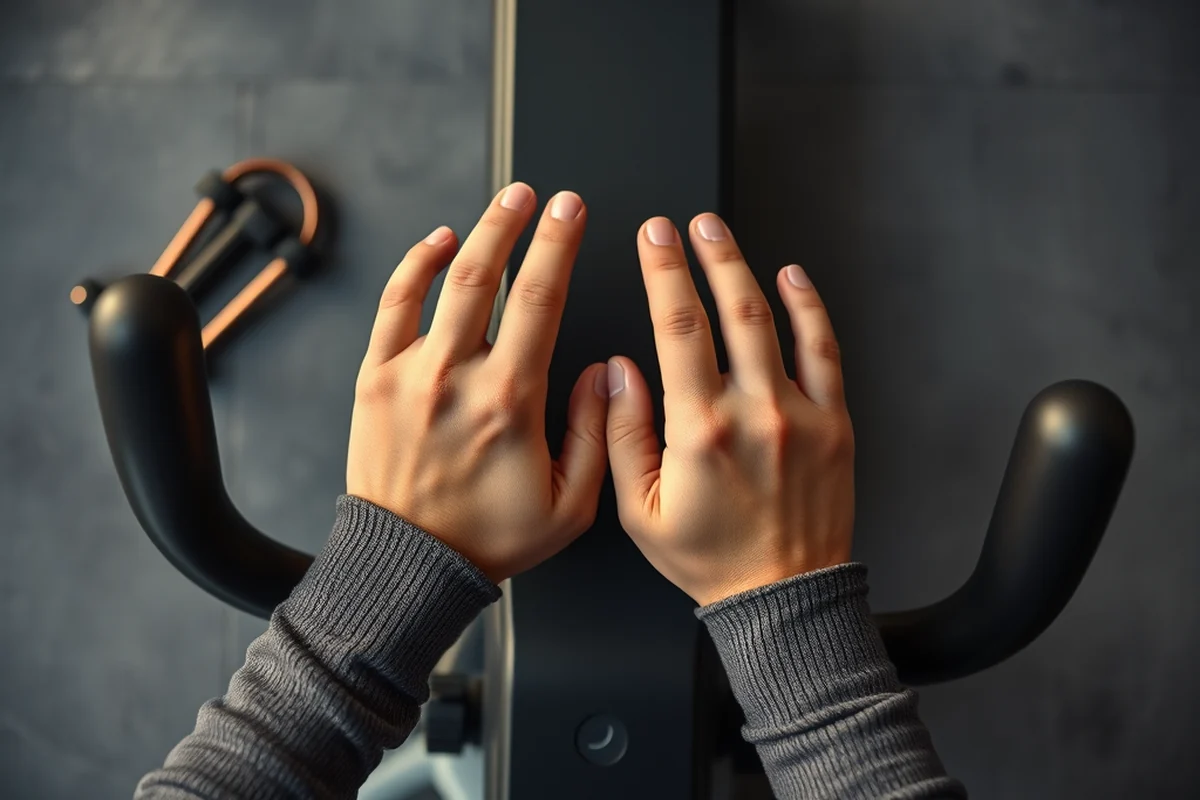
To improve your elliptical workout, incorporate high-intensity interval training (HIIT), alternating between intense effort and recovery periods. This method boosts cardiovascular endurance and fat burning efficiently.
Use the elliptical’s incline and resistance features to simulate hill climbing, engaging your glutes and hamstrings more intensely. This not only increases calorie expenditure but also builds lower-body strength.
For advanced users, consider adding upper-body resistance with handles or using the elliptical while holding light dumbbells to engage the core and improve overall muscular endurance.
Tools, Materials and Resources
A reliable elliptical machine with adjustable resistance and incline is essential. Look for models with built-in workout programs and performance metrics for a more structured training experience.
Heart rate monitors, whether chest straps or wrist-based devices, help ensure you're training within your target zones for optimal results. Pairing this with a fitness app can track progress over time.
Consider using workout apps like Nike Training Club or Peloton for guided elliptical sessions, or use online platforms to access free workout plans and tutorials tailored to your fitness level.
Troubleshooting and Common Questions
One common problem is leaning too far forward or backward, which can strain the back and reduce the effectiveness of the workout. Maintaining an upright posture with a slight forward lean is key. If discomfort arises in the knees or hips, adjusting the machine's settings or using proper footwear can help alleviate pressure.
Many users report difficulty in maintaining a consistent pace or feeling fatigued quickly. This can be addressed by starting with lower resistance levels and gradually increasing intensity. Incorporating interval training can also help improve endurance over time. Also, ensuring proper hydration and rest between sessions is crucial for optimal performance.
If progress plateaus, it may be time to vary the workout routine by changing resistance levels, incorporating different elliptical features (like moving handles), or adding strength training. Tracking progress through apps or a fitness journal can also help identify areas for improvement and keep motivation levels high.
Getting Started: Your First Steps
Before starting your first elliptical session, ensure the machine is properly adjusted to your height and fitness level. Set the resistance to a low setting and stand with feet shoulder-width apart to maintain balance and stability.
Begin with a warm-up of 5 to 10 minutes at a comfortable pace, focusing on proper posture and breathing. This helps prepare your body for more intense activity and reduces the risk of injury.
As you become more comfortable, gradually increase the duration and intensity of your workouts. Tracking your progress with a fitness app or journal can help maintain motivation and ensure consistent improvement over time.
🌱 Beginner
The simplest version — minimal supplies, quick win.
💰 Budget
Same result using what you already have.
⚡ Quick
The 10-minute version for busy days.
✨ Advanced
The upgraded version once the basics stick.
| The mistake | Why it happens | The fix |
|---|---|---|
| Using the elliptical with improper form | Poor form can lead to overuse injuries, especially in the knees, lower back, and shoulders. | Maintain a slight forward lean, keep your feet flat on the pedals, and avoid locking your knees. Use the moving handles for upper-body engagement. |
Common Questions
What is elliptical exercise gym?
What does elliptical training mean?
Are elliptical workouts effective for weight loss?
How does elliptical training differ from elliptical exercise?
References
- Healthy Habits: Elliptical training, morning workouts keep Dr. Joseph ... (blogs.bcm.edu)
- How to dispose of or recycle Exercise Equipment (Treadmill ... (blueearthcountymn.gov)
- Diabetes Aerobic and Resistance Exercise (DARE) Study (clinicaltrials.gov)
- Exercising and High Blood Pressure (cms.illinois.gov)
Cite this guide
Knee Friendly Elliptical Workouts (2026). Elliptical Exercise. https://mildmotion.com/elliptical-exercise/
Feel free to cite or share this guide.